
PRACTICAL GUIDE
Backlinks: types, attributes and their role in SEO
Understand backlinks versus internal links, the purpose of nofollow, sponsored and ugc, and why a redirect is not a type of backlink.
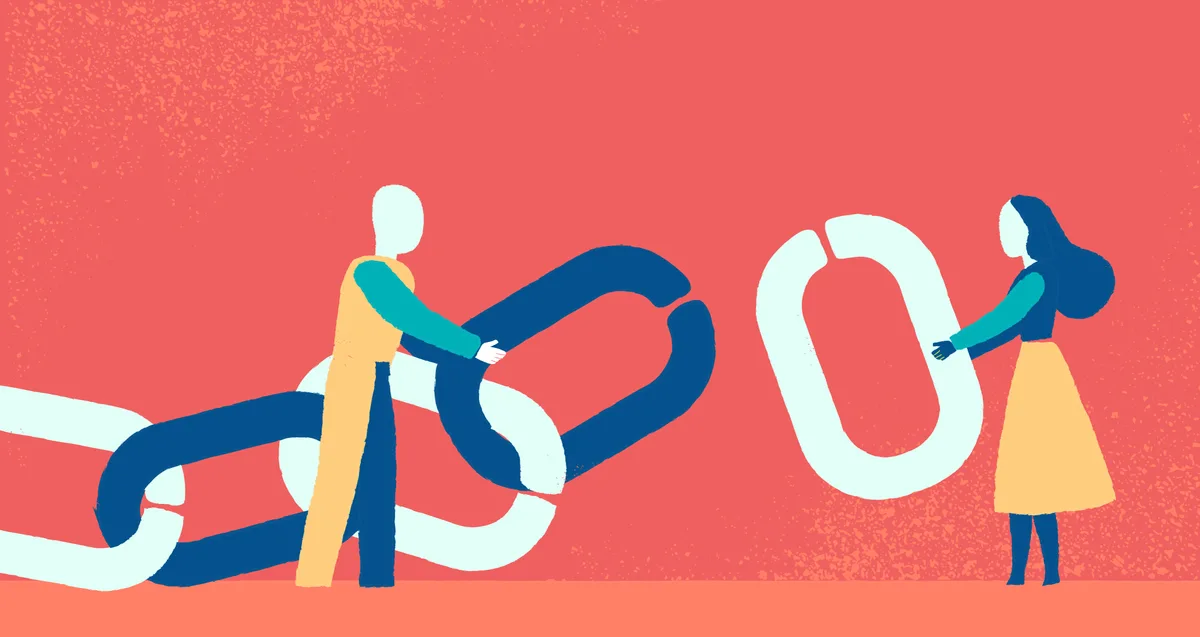
A link from another website
A backlink is an incoming link from another website to one of your pages. An internal link connects pages within the same site. Both can support discovery and navigation, but they are different concepts.
Ordinary links and “dofollow”
An ordinary HTML link with an href does not need a dofollow attribute. Search engines can use links as signals, but their effect is not determined solely by quantity or a third-party SEO score. Context, destination and the reason for the reference matter.
When to use rel attributes
These attributes describe the relationship to a link. They do not automatically change the destination’s headings, metadata or images.
- sponsored: advertisements and paid or sponsored links.
- ugc: links in user-generated content, such as comments.
- nofollow: where the other values do not apply and you do not want the usual association with the destination. Google treats these attributes as hints, not a universal guarantee of zero effect.
Redirects are a separate mechanism
301 and 308 indicate a permanent move; 302 and 307 indicate a temporary one. It is incorrect to say that a 302 has no SEO value by definition. Use the status that matches the situation and point internal links directly to current URLs.
How to assess a useful backlink
Check whether the page and audience are relevant, the reference is editorially justified and the destination works and helps the reader. Paid distribution must be qualified appropriately. Mass link schemes intended to manipulate rankings carry risk.